

Sustainable Stories
Nagase Viita's WEB Magazine
11story
December 19, 2025
Sharing the Heart of WAGASHIA Sweet Tradition that Crosses Borders
Delicate, colorful, and fleeting, wagashi—Japan’s traditional confections—are far more than just sweets. They are edible works of art that reflect the beauty of the country’s changing seasons and deep cultural heritage, crafted with elegance and meticulous precision. With these creations garnering growing global attention, we spoke with a female artisan from a centuries-old shop who is dedicated to preserving and sharing the culture of wagashi
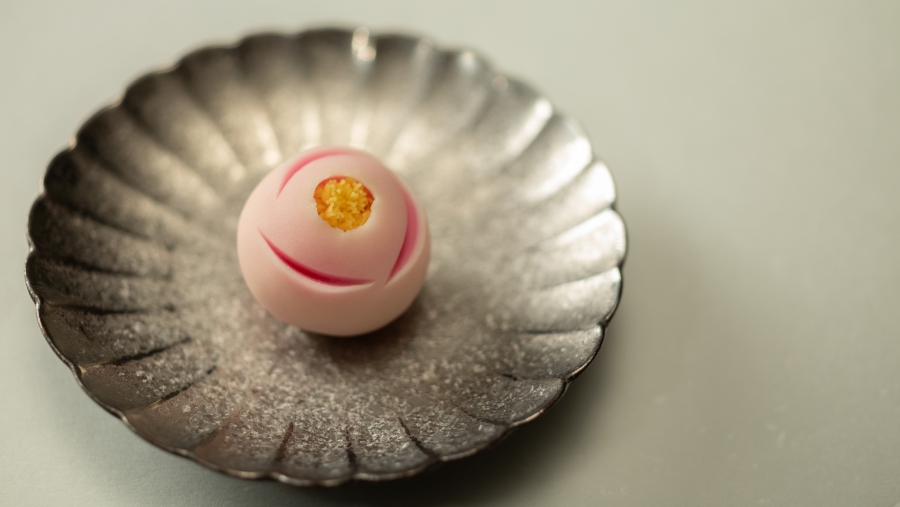
Photo courtesy of Toru Tsuchie/Izumo Fukusendo
Crafting Tradition: A Wagashi Shop Cherished for Generations
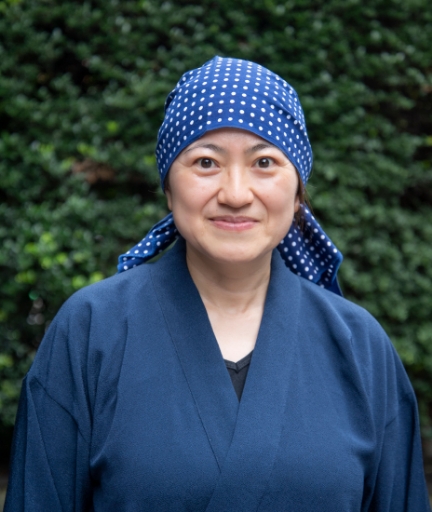
Mayumi Mori, a certified Excellent Wagashi Artisan, has worked at Nichigetsudo for more than 15 years. Located in Tokyo’s historic Nihonbashi district, the shop has been crafting traditional Japanese sweets since 1877. Beyond overseeing production and product development, Mori leads outreach activities to promote wagashi culture. She entered the industry more than two decades ago—at a time when female artisans were a rarity—and trained at several confectionery shops before joining Nichigetsudo. Today, she is recognized for both her technical mastery and her dedication to preserving and evolving wagashi traditions.
Nichigetsudo’s offerings blend both tradition and innovation. While the classic dorayaki—a sweet pancake filled with red bean paste—remains a customer favorite, the most popular item among international visitors is the Apricot Nama Daifuku. This soft apricot mochi filled with white bean paste mixed with chopped apricots and fresh cream, offers a sweet-tart flavor and a pleasantly smooth texture, making it perfect for enjoying on the go.
“The flavor is very approachable for people who aren’t familiar with traditional Japanese sweets,” Mori explains. “It’s become a big hit with tourists.”
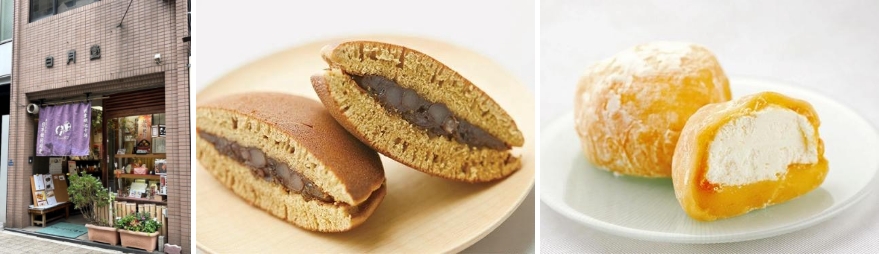
Nerikiri Goes Global: Fueled by Social Media
Mori has noticed that international visitors are increasingly drawn to wagashi’s subtle sweetness and distinctive textures.
“Matcha flavors have long been popular, but recently, chewy textures like mochi and daifuku have started trending, especially in France,” she notes. “Wagashi is also appreciated as a low-fat, healthy sweet.”
One confection enjoying specific global attention is nerikiri, admired for its seasonal motifs and refined presentation. Its visual appeal makes it ideal for social media, where hashtags like #nerikiri feature colorful and intricate creations from around the world.
“People are fascinated by the seasonal themes and the beauty of nerikiri,” Mori says. “It’s extremely photogenic, and I’ve seen posts from all across Europe, Asia, and beyond.”
In January 2025, Mayumi Mori joined fellow artisans to teach nerikiri-making in Bangkok. The event was met with great enthusiasm, drawing a strong turnout of women eager to learn the craft. “One participant messaged me later asking which ingredients she needed to make nerikiri at home,” Mori recalls. “It was heartwarming to see such genuine interest.”
However, Mori notes that this global interest requires a delicate balance. “It’s wonderful that more people are enjoying wagashi, but I do worry when I see nerikiri made with unconventional ingredients or designs being labeled as ‘traditional,’’ she admits. “Wagashi is deeply connected to Japan’s seasons, customs and cultural practices. I hope we can share not only the sweets but also maintain the stories and traditions behind them.”
Ultimately, she still views the expansion positively. “As global interest continues to rise, more people are eager to learn the craft authentically. Many international students now travel to Japan to study traditional techniques and eventually open wagashi shops abroad.”
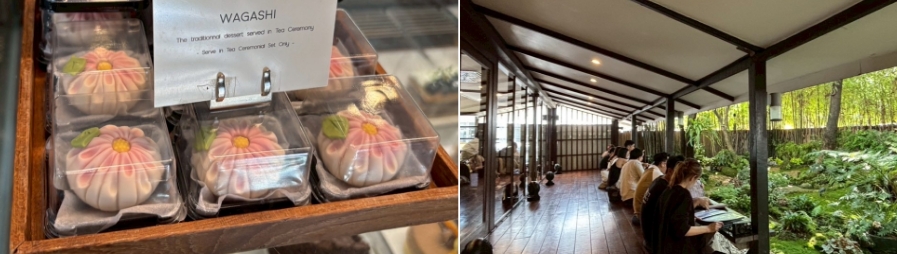
Column
The Art of Nerikiri: Capturing Japan’s Seasons and Culture
Delicate and expressive, nerikiri is a type of wagashi crafted from shiro-an (white bean paste) mixed with traditional Japanese ingredients. Each piece is shaped into elegant designs that reflect Japan’s seasonal beauty and cultural traditions.
Color and Form
Inspired by nature and classical literature, artisans shape nerikiri into flowers, landscapes, and seasonal motifs with exquisite precision. The pliable dough can be tinted and molded freely, allowing for intricate detail. With specialized tools and practiced skill, each piece becomes an edible work of art.
Cultural Significance
Beyond its visual beauty, nerikiri embodies Japan’s sense of hospitality. Each piece is given a poetic name (kamei) drawn from seasonal themes or classical poetry, adding layers of meaning. Often served at tea ceremonies, nerikiri complements the flavor of tea while deepening appreciation of the season through appearance, name, and symbolism.
A true “taste of art,” this timeless confection celebrates Japan’s harmony of nature, craftsmanship, and culture.
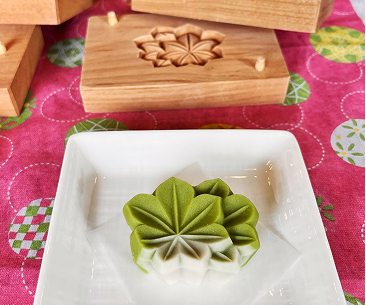
and its hand made wooden mold.
Connecting Cultures Through the Art of Wagashi
Mori has also taken part in cultural exchange programs in Europe. In 2019, she traveled to France with a group of certified artisans led by Toshinaka Shimizu, who was appointed a Cultural Envoy by Japan’s Agency for Cultural Affairs. They conducted nerikiri workshops and lectures in Paris, and held demonstrations at the Japanese consulate in Strasbourg.
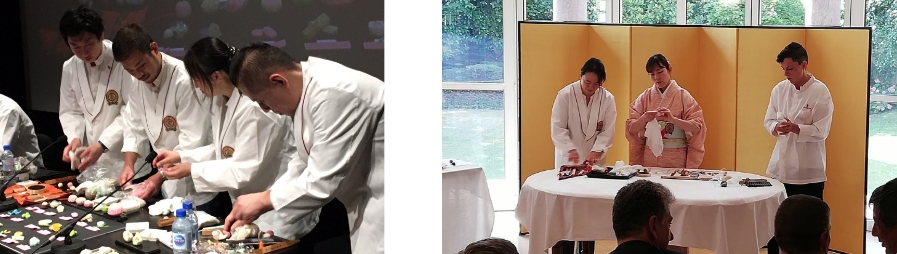
“France has its own confectionery arts, such as marzipan, so participants were naturally curious about our tools and techniques,” she recalls. “But what impressed me most was their deep appreciation for the seasonal symbolism and the craftsmanship behind each piece. When we explained the meaning of the designs and their names, they listened with genuine interest and amazement. Their reactions during the demonstrations made me realize how strongly Japanese aesthetics resonate with people abroad.”
Empowering Women to Lead the Future of Wagashi
When Mori began her career, the wagashi industry was largely male-dominated. Today, women play an essential role, with more female students than ever enrolling in confectionery schools and entering the profession.
“In the past, women often had limited roles,” Mori explains. “But thanks to mentors who valued talent over gender, the industry has changed. Now, we are seen as equals. This year, a woman was even appointed president of a major wagashi research organization.”
Mori is now paying that support forward, by mentoring younger women in the field.
“If I see a young woman at a study group, I make a point to stop to see how she is doing. If a shop is hiring its first female apprentice, I’ll suggest practical workwear that will help her feel comfortable. These may be small, everyday efforts, but collectively, they help carry wagashi culture into the future.
Innovating Wagashi with TREHA™
Since 1995, TREHA™, a functional sugar developed by Nagase Viita, has supported the art of wagashi-making. Its moisture-retaining and mild-sweetness properties help preserve the delicate textures and flavors. Mori has collaborated with Nagase Viita to develop new wagashi recipes that honor tradition while appealing to younger and international audiences.
“TREHA™ helps maintain freshness even after freezing, which reduces food waste and improves efficiency. That benefits both product quality and working conditions,” she explains. Looking ahead, Mori hopes to craft wagashi that are safe to swallow, accessible, and enjoyable for elderly consumers.
“TREHA™ has so many useful properties. I’d love to explore how it can support healthier, more accessible sweets.”
Learn More About Wagashi and TREHA™ : A New Beginning: Celebrating the New Year with Unique and Festive Sweets and Tea Ceremony Tradition…
Nagase Viita remains dedicated to supporting wagashi artisans, helping ensure that Japan’s proud confectionery traditions continue to flourish at home and around the world.
 Ms. Mayumi Mori from Nichigetsudo
- Sustainability Initiatives:
- ● Promoting Global Understanding: Sharing Japanese culture and craftsmanship with the world.
- ● Supporting Diversity: Empowering female artisans and fostering an inclusive industry.
- ● Reducing Food Waste: Improving working conditions and minimizing loss through functional ingredients like TREHA™.





- 01story
 Efforts of a dried fruit manufacturer in Minami Shinshu
 - 02story
 Connecting two different worlds through exploration in Colombia
 - 03story
 Biostimulants Offering New Solutions
 - 04story
 YUNOKA Cosmetics with Mitsumata Extract
 - 05story
 Heartfelt Allergen-Free Treats Made in the Land of Rice
 - 06story
 A Distribution Company's Pursuit of Sustainable Logistics
 - 07story
 Conserving Buried Cultural Properties for the Future
 - 08story
 Creating a Place for Indigo Therapy, “Aijiba (藍治場),” to Heal the Mind and Body
 - 09story
 Propagating “Taikō Shidarezakura” through Tissue Culture Technology
 - 10story
 Making a Global Impact with a Small-Town Factory's Food Dryer