
- Electrification
- Global
Breaking Through the Limits of Motor Core Efficiency: Synchronizing Dies and Presses
For higher efficiency in xEV motor cores, “synchronizing” (integrated optimization) of dies and press machines is critical. This article presents die and press technologies that suppress processing strain and iron loss, and the specialized manufacturing partners of NAGASE Mobility who enable vertically integrated manufacturing that optimizes the entire production process.
The Issue
In motor core manufacturing, “synchronization” that optimizes dies and press machines as a single system is essential to accurately translate the designer’s intent into real products. No matter how precisely a die is made, material degradation is inevitable if that precision cannot be maintained in the dynamic environment of the press machine.
Particularly with the recent trend toward higher rotational speeds and high‑frequency drive, even slight processing strain can cause a sharp increase in iron loss. Therefore, incorporating the dynamic characteristics of the press and the physical behavior of the material from the die design stage, and “vertically integrating” the entire manufacturing process, becomes core competitiveness in the next‑generation motor supply chain.
Design Philosophy of “Ultra‑Precision Dies” That Protect Magnetic Properties
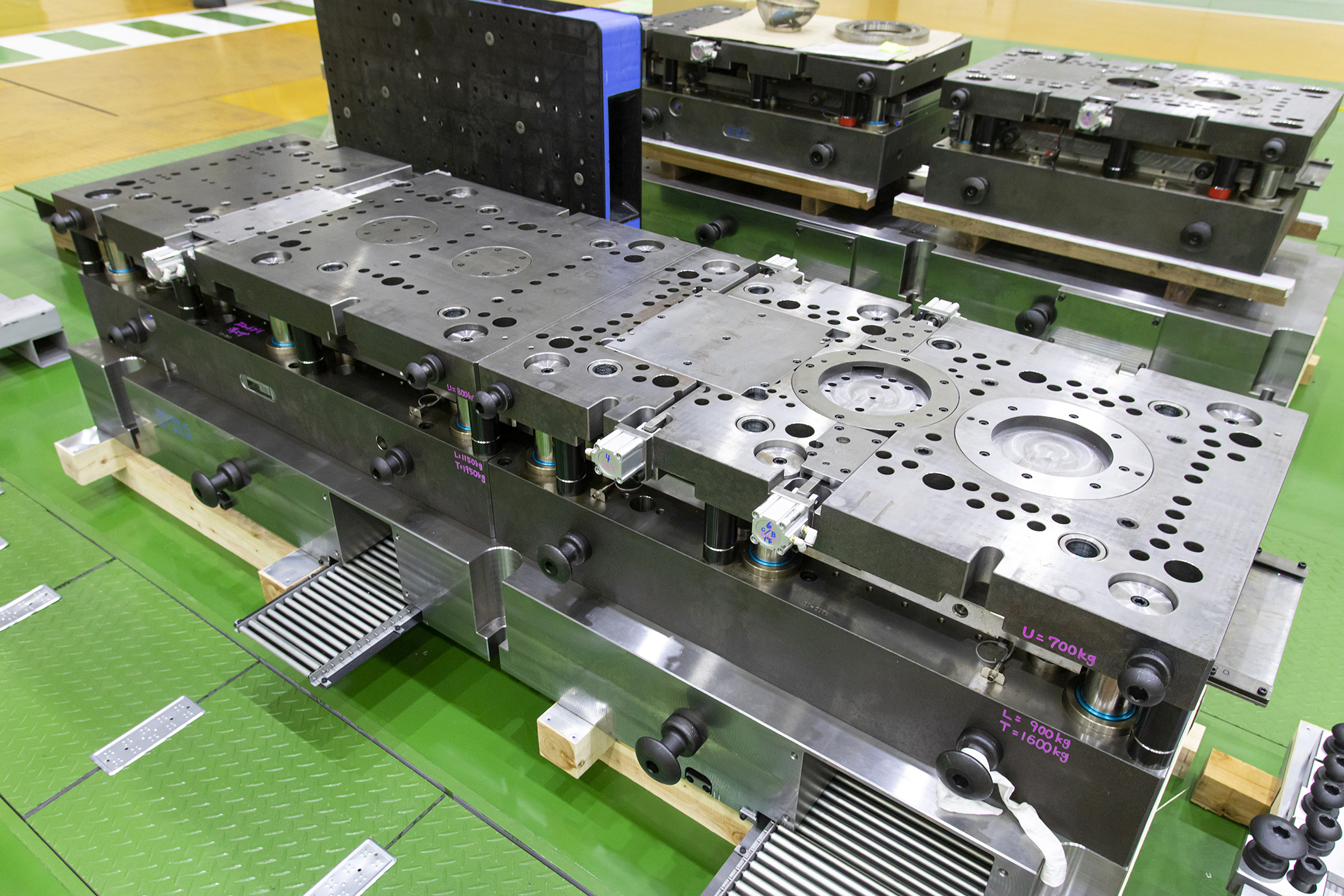
To preserve the magnetic properties of motor cores, a design philosophy is required that minimizes physical stress when stamping electrical steel sheets. In press processing, the primary factor that degrades magnetic properties is residual stress. Lattice defects introduced by plastic deformation during punching physically hinder magnetic domain wall movement and increase hysteresis loss.
The key to addressing this challenge lies in the precise specification of “optimal clearance” tailored to material properties. Simply reducing clearance is not enough; instead, an optimal value must be determined in micrometer-level precision according to sheet thickness, hardness, and characteristics of the insulation coating. This minimizes the damaged layer at the shear face and substantially reduces the loss in permeability caused by processing-induced strain.
The Solution
Fine Feed Accuracy Enabling High‑Speed Lamination of Ultra‑Thin Sheets (Around 0.1 mm)
To suppress eddy current loss under high‑frequency drive, the use of electrical steel sheets approximately 0.1 mm thick is increasing. However, thinner sheets reduce stiffness during punching, dramatically increasing processing difficulty due to buckling and distortion.
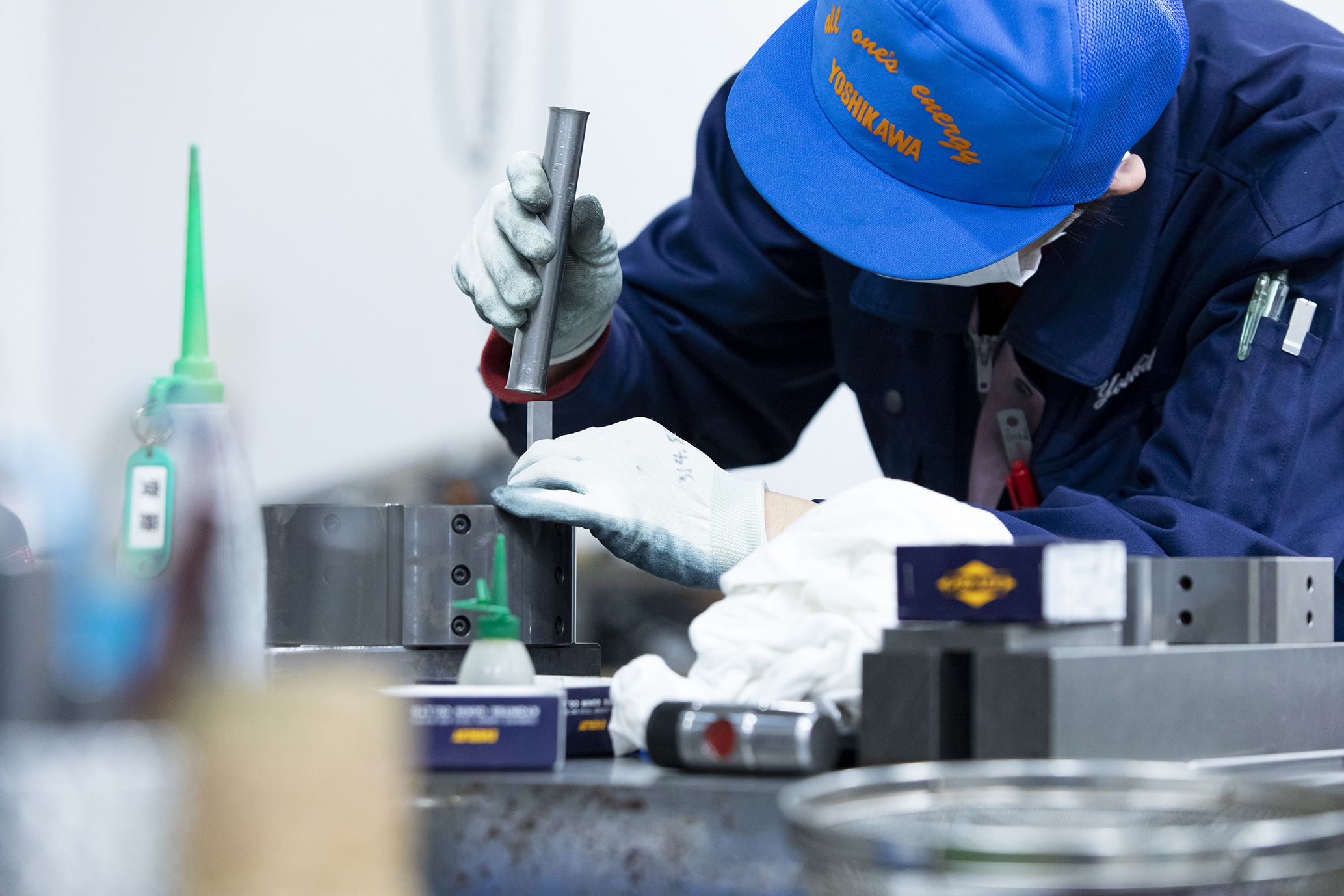
To overcome this, structural designs that suppress thermal displacement inside the die to the utmost limit, along with highly rigid fine‑feed mechanisms, are indispensable. By leveraging ultra‑precision guide structures produced through grinding and EDM, micrometer‑level accuracy is maintained even during high‑speed pressing, enabling lamination of thin sheets with high roundness and flatness.
Feedback Loops That Accelerate Development Speed
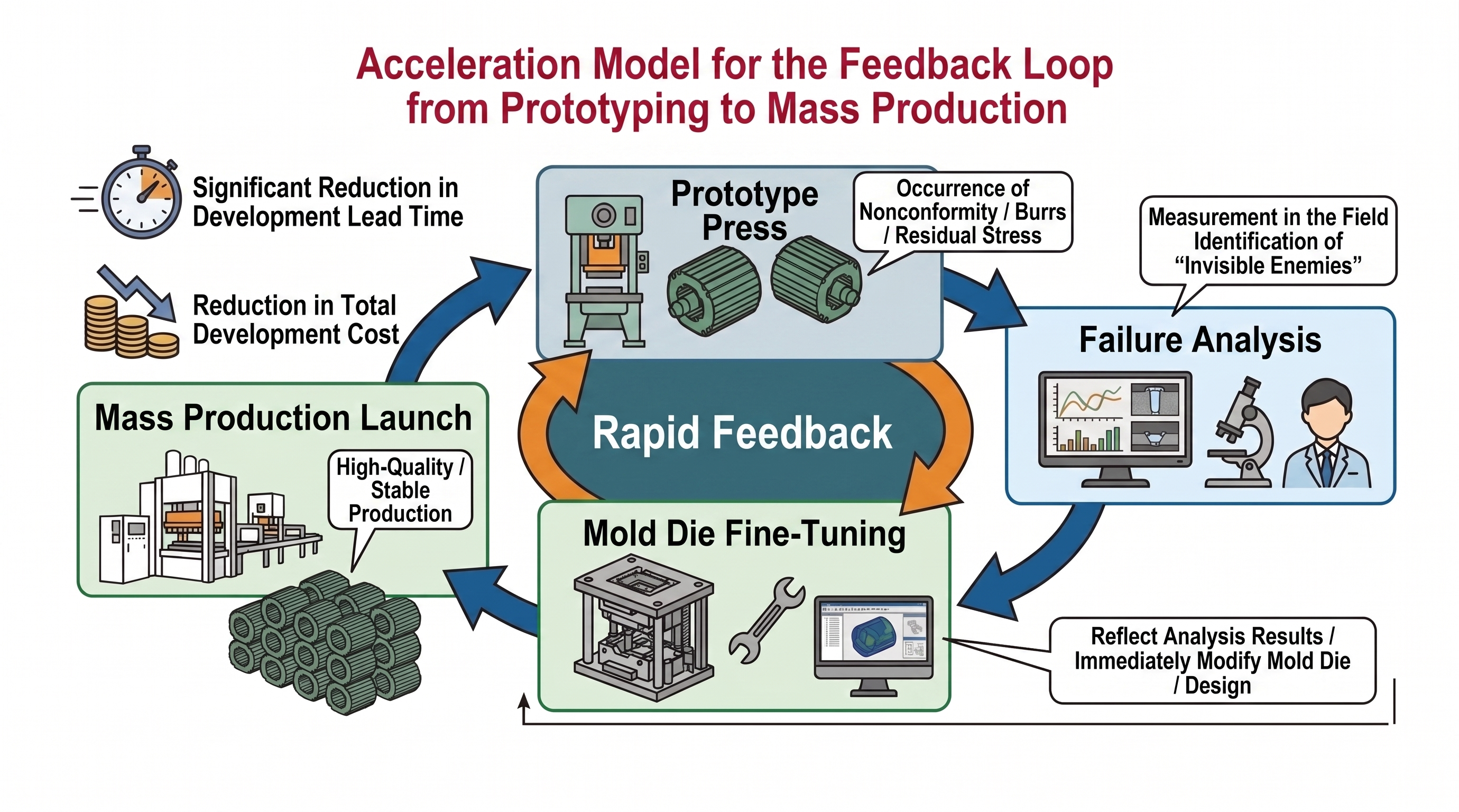
To reliably achieve the design intent in mass‑produced components, a closed-loop prototyping system”- is needed that rapidly identifies root causes and feeds corrections back into production tooling. In motor core development, issues that only emerge during the physical production frequently arise, — including burr generation, insufficient fill factor, and lamination misalignment.
By building a feedback loop that instantly reflects on‑site analysis results back into die design, it becomes possible to quickly determine whether the cause of defects lies in “die specifications” or in “press conditions.” Applying a Design for Manufacturing (DfM)”- approach significantly reduces development lead time. Because improvement of fill factor is critical constraint in thermal management, pursuing accuracy from the early stage directly affects the rated output of the final product.
Cost Reduction Through Process Conversion from Etching/Machining
While etching and machining used in early development phases offer high design freedom, they have long takt times and low material yield, so conversion to press processing is required for mass production. Compared with etching, converting to pressing not only reduces cost via dramatically higher throughput, but also enables the use of advanced joining technologies such as caulked lamination (interlocked tab joining).
A Production Infrastructure That Covers Everything from Ultra‑Small Cores to Large Drive Cores
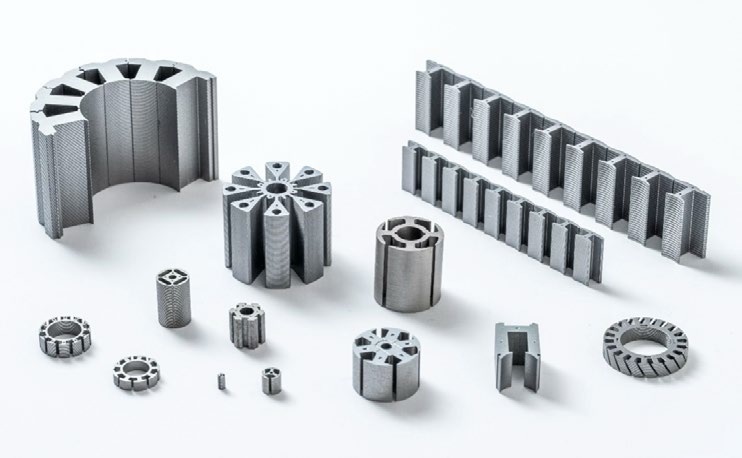
To meet the diverse needs of next‑generation motors, broad production capacity is needed that spans from micro‑processing to large drive cores. In this field, Yoshikawakogyo FineTech Co., Ltd., a partner of NAGASE Mobility, possesses a wide press range from 3 tons to 300 tons and provides all‑around comprehensive solutions — spanning micro-scale components to large drive motor cores.
World-Class Miniaturization: 2.3 mm Diameter Caulked Lamination
In ultra‑small motors for wearable devices and precision medical equipment, component miniaturization has been pushed to the extreme. The company has achieved caulked lamination with a diameter of just 2.3 mm, one of the smallest in the world, demonstrating the precision of the fine-feed mechanism and die rigidity. Even for such ultra‑small cores, technologies that reduce residual stress and maximize material properties are applied.
New Base for Drive Motor Cores: Production Capacity of the Second Kitakyushu Plant
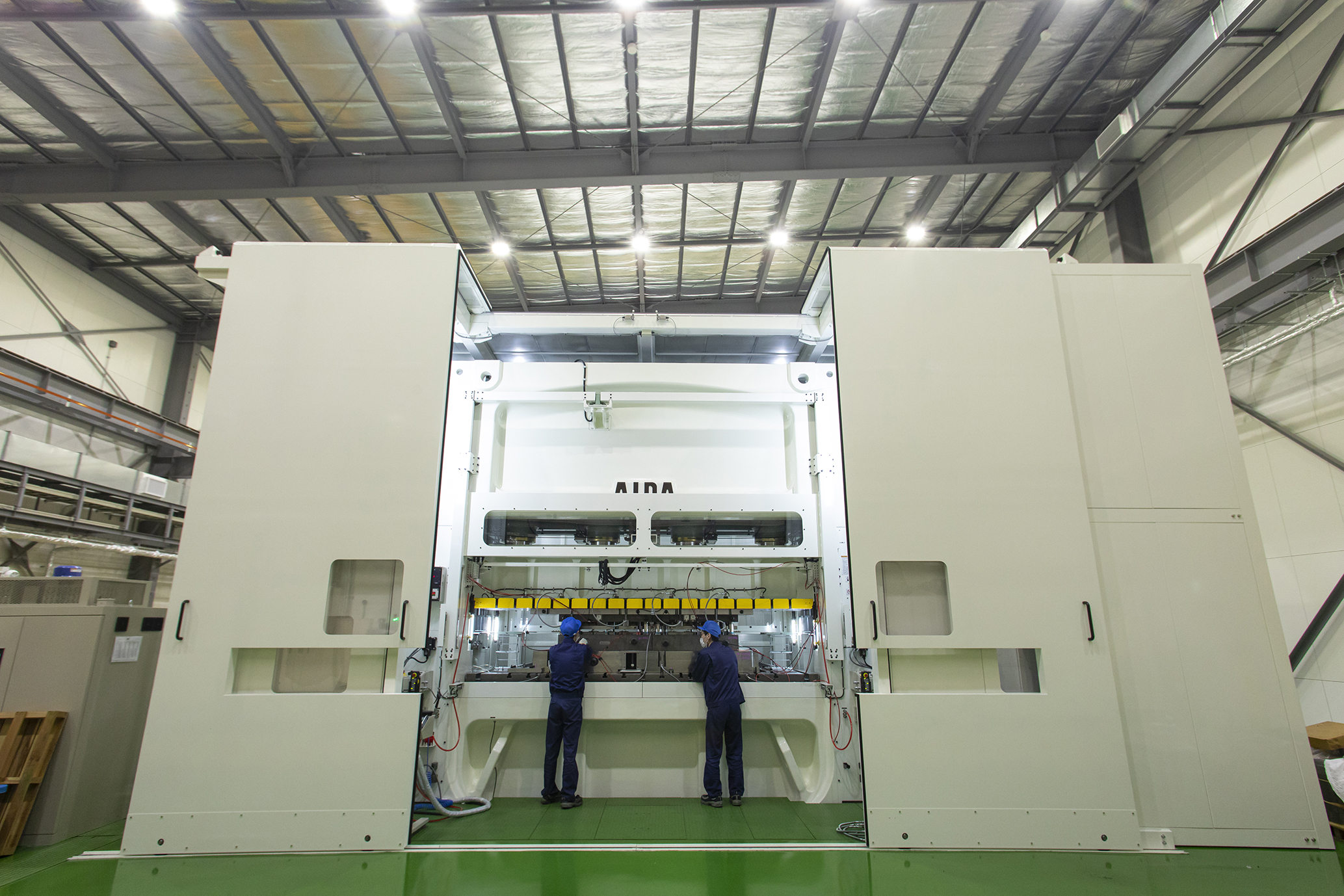
At the other end of the scale, to handle large projects such as drive motor cores for xEVs, the second Kitakyushu plant is in operation, equipped with a 300‑ton high‑speed press. There, a system is in place to supply highly accurate lamination and joining technologies reliably for large cores, whose designs must operate near the limits of material strength.
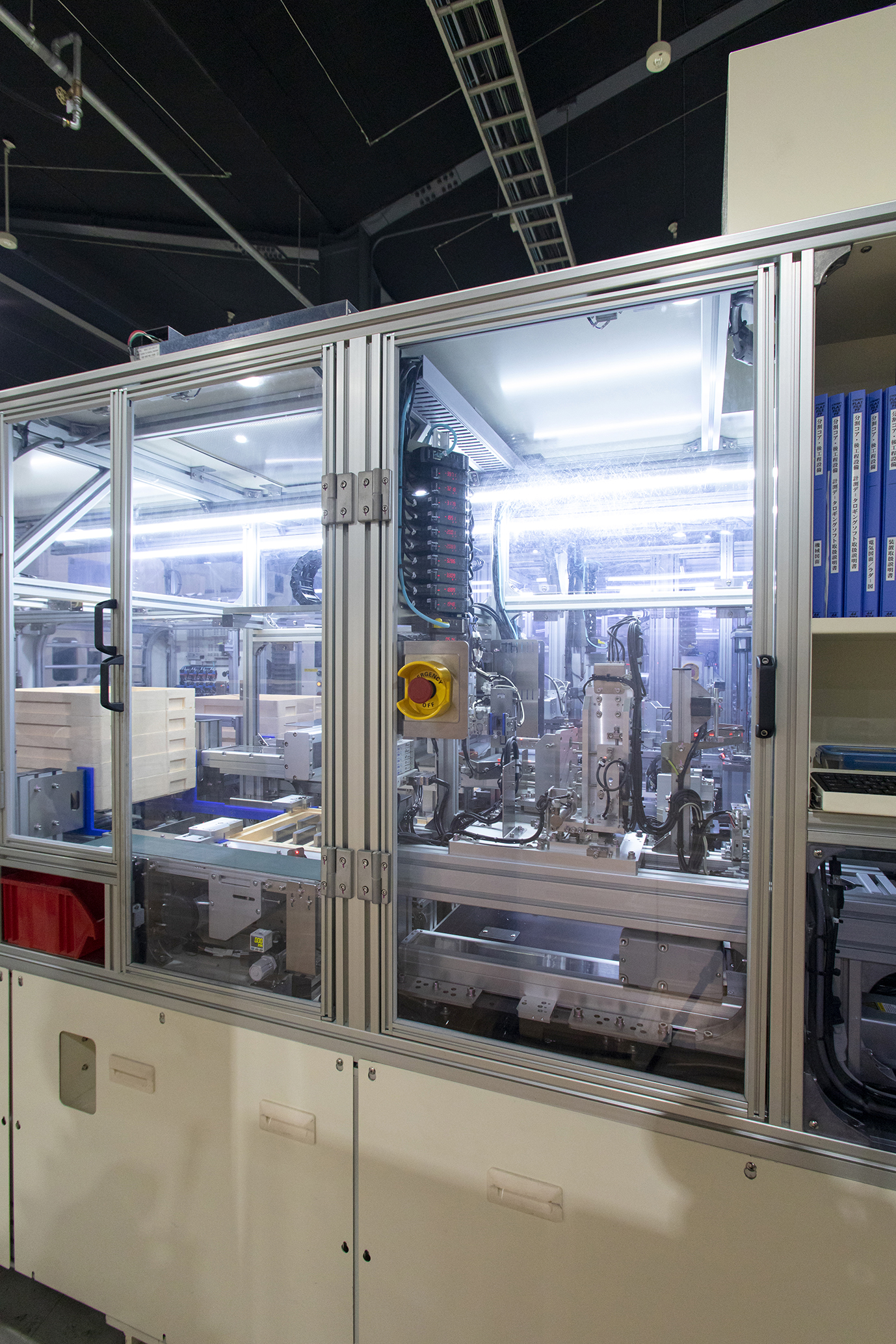
In quality control, burr height and lamination flatness are monitored in-line to meet the stringent quality standards characteristic of the automotive industry. This is nothing less than the result of stable “manufacturing process optimization” made possible because the company vertically integrates everything from die design to pressing.
The Results
Building the Next‑Generation Motor Supply Chain Together with NAGASE Mobility
Improving motor performance—especially reducing iron loss in high‑speed regions and solving thermal management issues—cannot be achieved by material selection alone. The “integrated die‑and‑press system” provided by Yoshikawakogyo FineTech Co.,Ltd. is a unique means of controlling residual stress, the “invisible enemy,” on the production floor translating design concepts into manufacturable reality.
Through a strong partnership with NAGASE Mobility, the added value of offering an end‑to‑end proposal—from material procurement to ultra‑precision processing and next‑generation evaluation technologies—will be a decisive advantage in overcoming the challenges faced by designers.
Technical Consultation and Prototyping Support
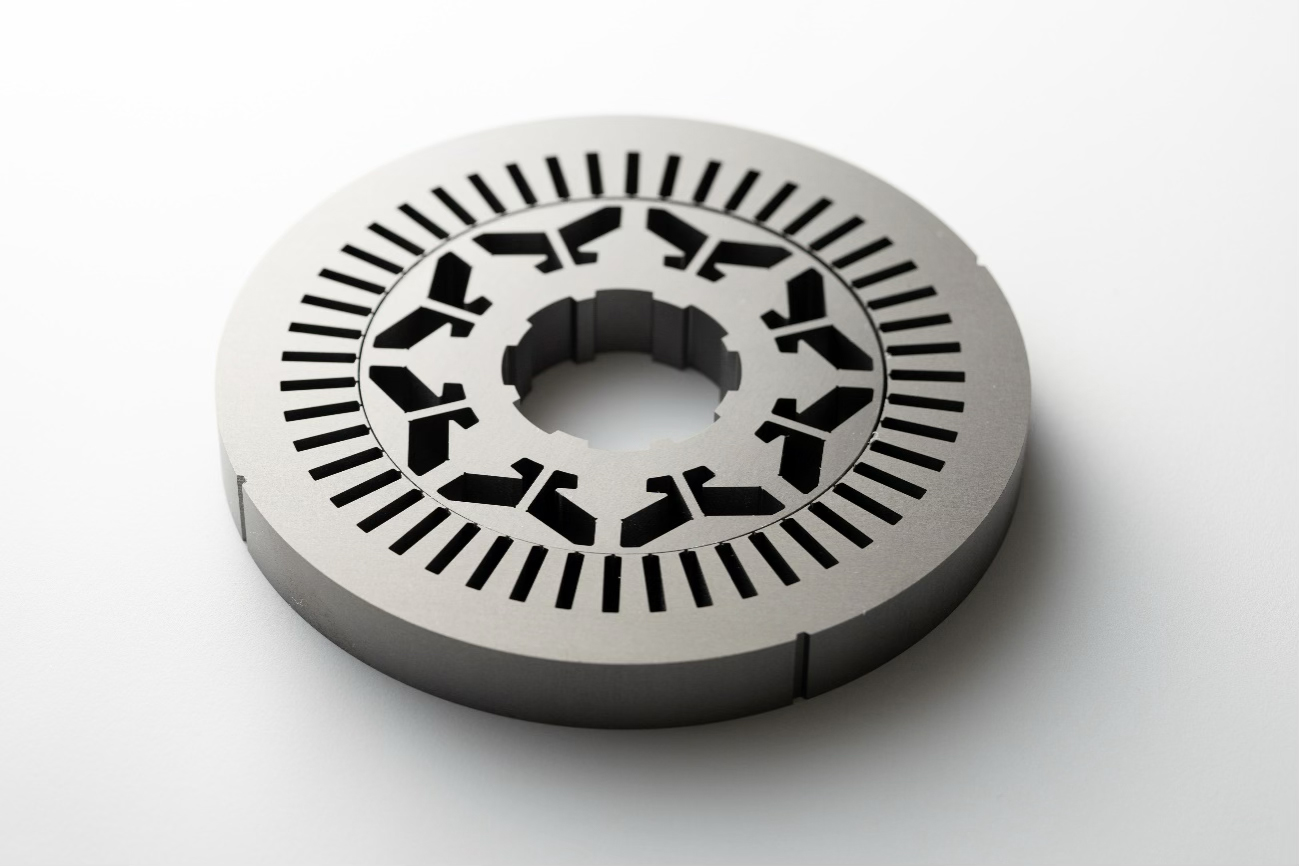
Are you facing challenges in improving magnetic properties in next‑generation motor development, tackling the difficulties of thin‑sheet lamination, or optimizing costs through process conversion? NAGASE Mobility and Yoshikawakogyo FineTech provide DfM (Design for Manufacturing) proposals starting from the drawing‑design stage, as well as technical support that looks ahead from prototyping to mass production. Contact us to discuss how NAGASE Mobility and Yoshikawakogyo FineTech can support your next-generation motor development program.
※Some images were created with the assistance of generative AI.