Resources ~ DENATRON Museum ~ / Get to know DENATRON
Hole Transport Layer Material, DENATRON
HOME > Resources ~ DENATRON Museum ~ > Get to know DENATRON > Hole Transport Layer Material, DENATRON
- Definition and Functions of the HTL
- Organic HTL Materials
- Inorganic HTL Materials
- Overview of DENATRON
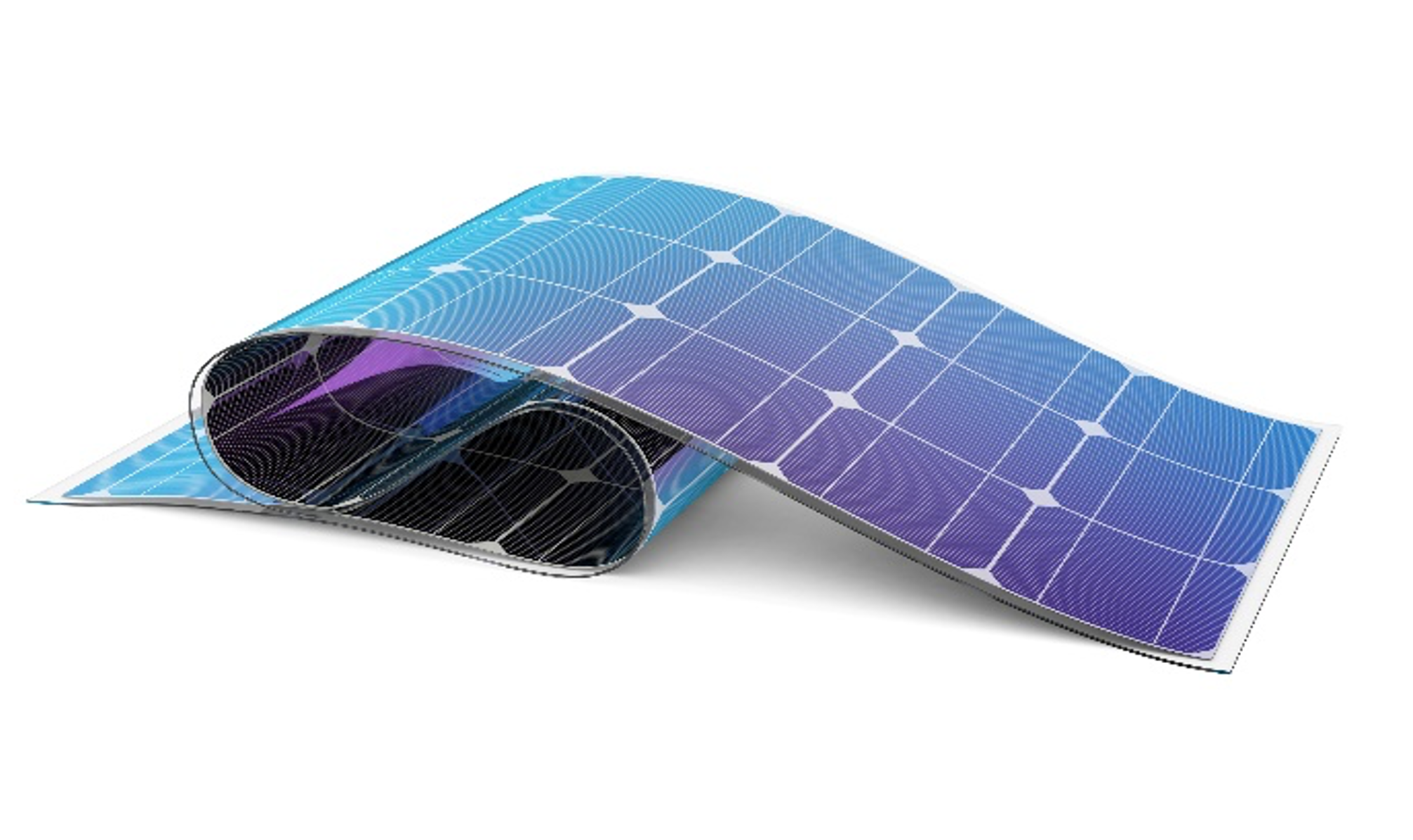
In recent years, solar power has emerged as a leading renewable energy source for achieving decarbonization, and interest in technologies such as conventional silicon-based panels and perovskite solar cells—which are lightweight and can even be installed on walls—continues to grow.
In this article, we will introduce the functions and materials of the hole transport layer (HTL), an essential component of perovskite solar cells.

Definition and Functions of the HTL
The HTL efficiently transports holes—generated in the perovskite layer—to the anode. It prevents electron backflow and assists in charge separation and collection, thereby improving power conversion efficiency (PCE).
To extract electricity from a perovskite solar cell, electrodes must be attached to the perovskite layer. However, if electrodes are attached directly, the PCE decreases, and chemical reactions may occur between the electrodes and the perovskite layer, leading to material degradation.
Organic HTL Materials
The HTL can be classified into two categories: organic and inorganic. First, let us look at the materials used for organic HTLs
Small-Molecule HTLs
Small-molecule HTLs are composed of low-molecular-weight organic materials designed to efficiently transport holes in devices such as organic electronics and perovskite solar cells. Representative materials include Spiro-OMeTAD and N,N’-Bis(3-methylphenyl)-N,N’-diphenylbenzidine (TPD).
Spiro-OMeTAD possesses energy levels well suited for integration with perovskite solar cells. It offers several advantages, including amorphous characteristics, a high melting point and glass transition temperature, excellent film-forming ability, and high solubility and conductivity.
Amorphousness refers to a state in which atoms or molecules are arranged irregularly. In contrast, they are aligned in an orderly way in a crystalline structure. This property is also known as noncrystalline or amorphous.
TPD is an amine-based material commonly used as an HTL in organic electroluminescent (EL) devices. It is not only an excellent hole-transporting material but also an effective electron-transporting green-emitting material.
Polymer HTLs
Representative materials used for polymer HTLs include PEDOT:PSS, Poly-TPD, and poly(3-hexylthiophene) (P3HT).
PEDOT:PSS is a compound in which conductive, hydrophobic PEDOT is ionically bonded to insulating, hydrophilic PSS. Depending on the composition ratio and solvent used, its conductivity typically ranges from 100 to 1,000 S/cm, which is relatively high compared to other conductive polymers. Moreover, it can be produced cost-effectively through roll-to-roll processing and can be coated onto flexible substrates.
Poly-TPD is a hole-transport material used in organic EL devices and is characterized by its ability to form high-quality amorphous films while being insoluble in the organic solvent xylene.
P3HT is a hole-transport material used in organic EL devices. It can be used on its own, but when combined in a block copolymer with polystyrene, its hole mobility has been found to be more than 1,000 times higher than when it is used alone.
Doping and Additives
Doping refers to introducing impurities into a base material to create either a p-type or n-type semiconductor. The additive, also known as a dopant, is the impurity introduced during doping. In semiconductors, including perovskite layers, electricity is carried by negatively charged free electrons and positively charged holes. Boron is commonly used as a dopant to create p-type semiconductors, which enable holes to serve as the primary charge carriers.
Lithium salt (Li-TFSI) is also used to enhance conductivity and improve solar cell efficiency. When Li-TFSI is added, one electron is removed, leaving behind a hole. These remaining holes prevent other holes from being trapped, allowing them to move freely and thus facilitating current generation.
Additionally, tert-butylpyridine is sometimes used to dissolve Li-TFSI to improve material stability.
Inorganic HTL Materials
Next, we introduce the materials used for inorganic HTLs.
Metal Oxides
Representative metal oxide materials include nickel oxide, copper oxide, and vanadium oxide.
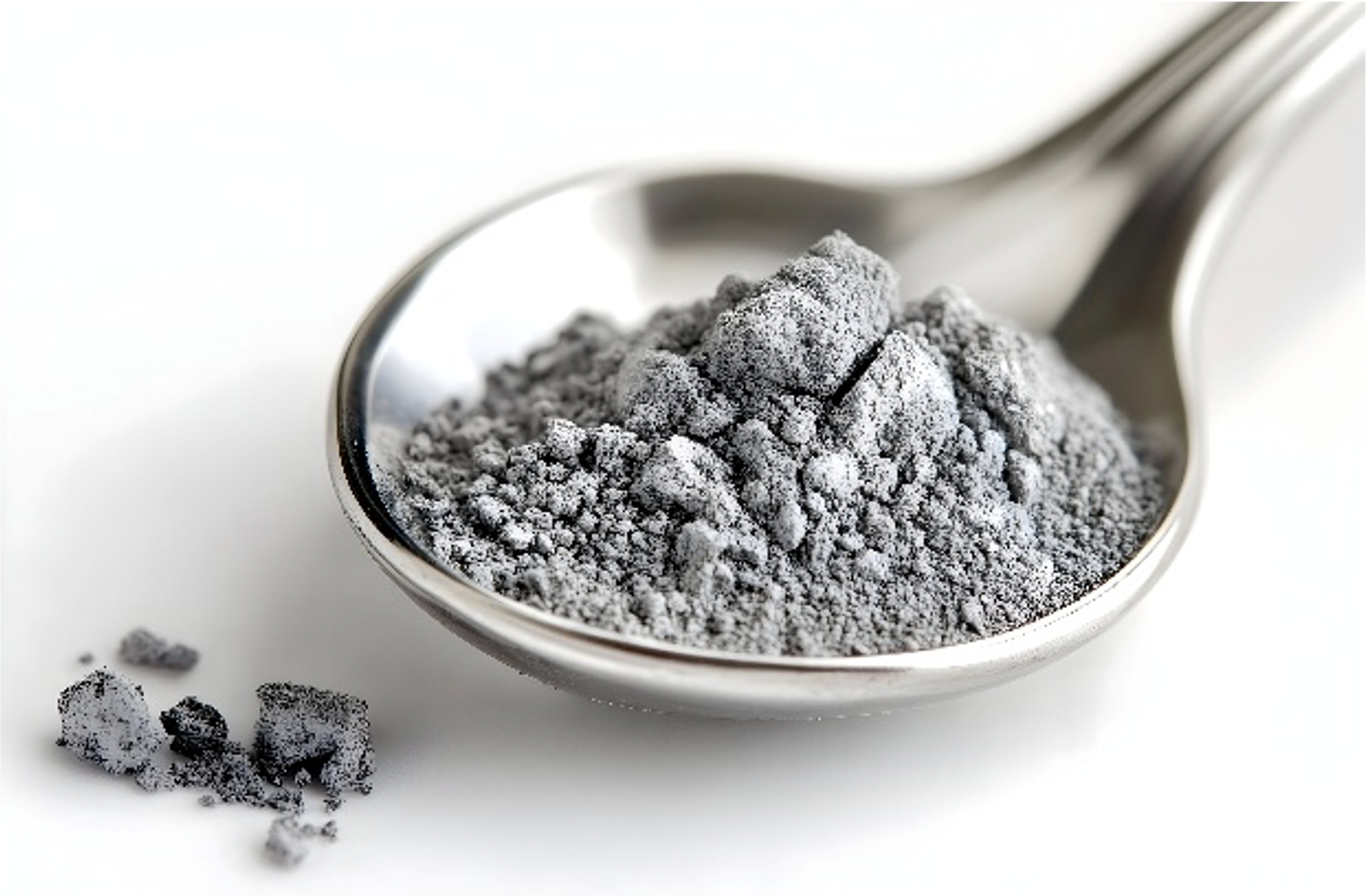
Nickel oxide is a compound formed by nickel and oxygen, also known as nickel(II) oxide. Depending on the number of oxygen atoms bonded, several types can exist. Nickel oxide films fabricated using the sputtering method can be deposited at room temperature and at high speed. Moreover, surface treatment of the HTL with nickel oxide has been reported to potentially improve both power conversion efficiency and device durability.
Copper oxide is a compound formed by copper and oxygen, also known as cuprous or cupric oxide depending on the oxidation state. Similar to nickel oxide, copper oxide exists in multiple forms depending on the number of bonded oxygen atoms. Cuprous oxide in particular has attracted attention as a potential alternative to Spiro-OMeTAD due to its superior stability, favorable electrical properties, and low cost. In addition, because copper oxide can absorb sunlight, it is used not only as an HTL but also as a light-absorbing layer in solar cells.
Vanadium oxide, also known as vanadium pentoxide, consists of two vanadium atoms and five oxygen atoms. While widely used as a hole transport material in organic EL devices, its application in perovskite solar cells is also being actively explored.
Metal Halides
Copper(I) iodide is a compound composed of one iodine atom and one copper atom. It has gained attention as an alternative to Spiro-OMeTAD due to its advantages in cost and durability.
Carbon-Based Inorganic Materials
Representative carbon-based inorganic materials include graphene and carbon nanotubes.
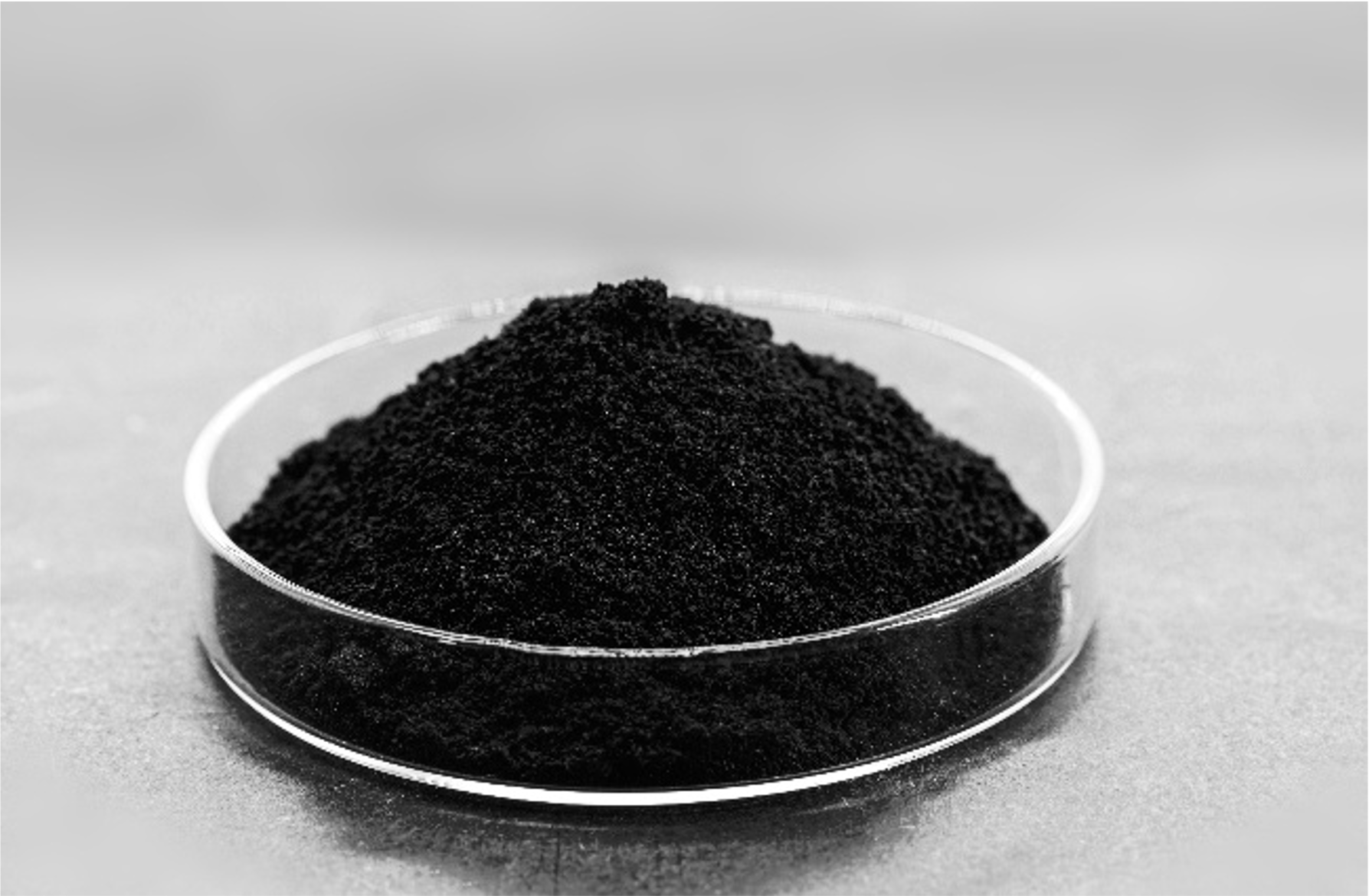
Graphene is composed of aromatic hydrocarbons in which six carbon atoms form a hexagonal structure (benzene ring) arranged into sheet-like layers. It possesses strength comparable to diamond while maintaining flexibility, allowing it to bend easily, and exhibits electrical conductivity superior to silver. When graphene is inserted between the perovskite layer and Spiro-OMeTAD as the HTL, it can help prevent degradation caused by moisture and oxygen, thereby extending the device’s lifespan.
Carbon nanotubes are tubular nanomaterials composed of carbon atoms and are known for their exceptional electrical conductivity—about ten times higher than that of silicon. When applied to the perovskite layer as a hole transport material, carbon nanotubes can help suppress the decomposition of perovskite crystals, enhancing device durability.
Overview of DENATRON
What is DENATRON?
DENATRON is a coating material that utilizes PEDOT:PSS. It has a wide range of applications, including sensor electrodes, antistatic materials, and HTLs. Since it is in liquid form, its effectiveness is achieved through wet coating processes, such as screen printing or other coating techniques, to form a thin film.

Advantages of Using DENATRON as an HTL
When forming the HTL, DENATRON is applied to the perovskite layer using methods such as spin coating to create a thin film. To improve the efficiency of perovskite solar cells, the HTL must have high electrical conductivity—and DENATRON satisfies both requirements.
DENATRON Type-P for HTL Applications
DENATRON Type-P is a product based on PEDOT:PSS. Since PEDOT:PSS is one of the most commonly used materials for HTLs, DENATRON Type-P, which is derived from it, is well-suited for HTL applications. Among its characteristics, DENATRON’s excellent transparency and humidity resistance offer significant advantages.
In an inverted-structure perovskite solar cell, the HTL is positioned beneath the transparent electrode that receives sunlight, with the perovskite layer located below it. Because solar power generation in perovskite solar cells requires sunlight to reach the perovskite layer, both the transparent electrode and the HTL must exhibit high transparency.
Additionally, one of the main factors contributing to perovskite layer degradation is humidity (water or moisture). Therefore, the ability to block humidity while remaining unaffected by it is an essential property for HTL materials. DENATRON Type-P possesses both of these characteristics.
Contact Us
Nagase ChemteX Corporation serves as a partner in your product development and quality improvement, providing optimal conductive solutions. If you are having difficulty selecting a hole transport material, please feel free to contact us.
Inquiry / Sample request
Return to list of articles

